This item's QC check focus isn't about judging authenticity from a few photos; it's about confirming that the photos you see actually correspond to this black [Chrome Hearts](https://fashion-reps.net/brand/chrome-hearts) relaxed-fit sweatshirt and turning visible evidence into concrete actions before placing an order, requesting additional photos, or pausing the order. This article is based on the corresponding item in the fashion-reps product detail page, which notes a QC image update date of S
This item's QC check focus isn't about judging authenticity from a few photos; it's about confirming that the photos you see actually correspond to this black Chrome Hearts relaxed-fit sweatshirt and turning visible evidence into concrete actions before placing an order, requesting additional photos, or pausing the order. This article is based on the corresponding item in the fashion-reps product detail page, which notes a QC image update date of September 26, 2026.
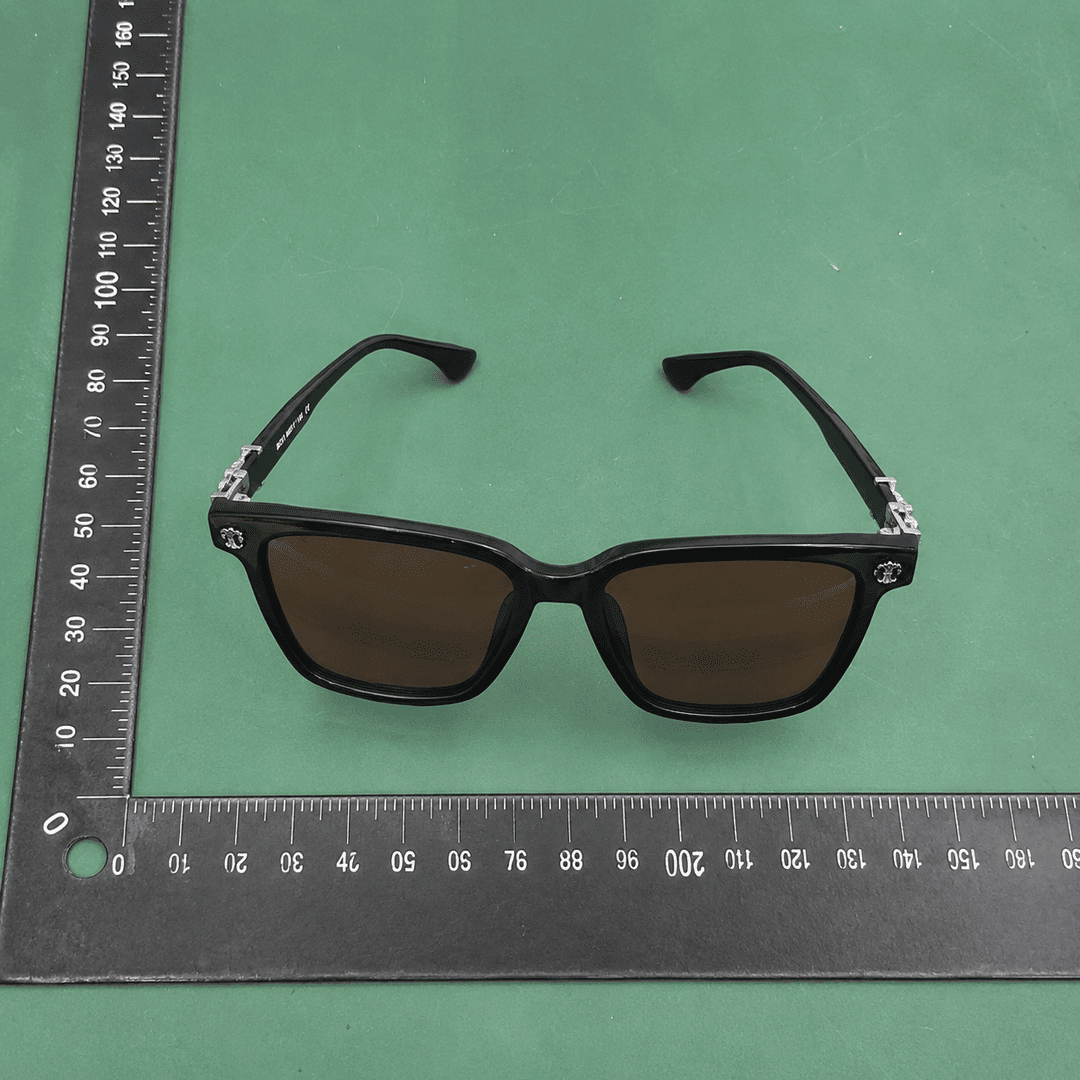
First, set a stop condition: if the images cannot confirm the item, color, size, key areas aren't clearly photographed, or the text in the item description contradicts the actual item category, don't treat "looks okay" as a reason to proceed. The page's title and basic description point to a black sweatshirt, but the feature description mentions square-frame sunglasses, which is a product information contradiction that must be confirmed with the seller first. 🧭
Defining What QC Photos Can Answer
QC photos typically help buyers check the following:
- Whether the photos correspond to a black Chrome Hearts sweatshirt, not another item or style.
- Whether the current color, size label, and overall fit match the order records.
- The position, orientation, edges, and obvious displacement of chest or back prints.
- Whether cuffs, hem, neckline, and visible stitching have obvious breaks, loose threads, or sewing abnormalities.
- Whether stains, damage, discoloration, creases, or obvious flaws present before shipping can be seen in the photos.
- Which key areas are not photographed, making a reliable judgment impossible.
QC photos alone cannot prove brand authenticity, fabric weight, wearing comfort, durability, or whether the final garment fully meets authentic standards. A flat appearance in photos also cannot substitute for physical feel and post-wash performance, so conclusions should be limited to "the visible condition shown in the current photos."
First Check Title, Color, and Size on the Product Detail Page
After entering the product detail page, don't jump straight to judging details from the photos. First, record the product name, color, size options shown on the page, and the corresponding information in your order.
This item's page title points to a black, loose-fit Chrome Hearts sweatshirt. The page also shows a reference price of $23.51, but the final item price, service fees, and international shipping are subject to the amount shown by the shopping agent at the time of ordering. Price cannot be used as a basis for QC pass or authenticity judgment.
Focus on checking these four items:
- Whether the order item name matches the page title.
- Whether the color is indeed black, and whether there are other color or style options under the same link.
- Whether the size matches the order records; don't infer size solely from the proportion of the clothing in the photos.
- Whether the descriptions in the item details are consistent.
If the page simultaneously describes a sweatshirt and square-frame sunglasses, pause further judgment, confirm the actual item to be shipped with the seller, and ask for written confirmation of the style. If the item category cannot be confirmed, subsequent checks on prints, cuffs, and stitching have no proper basis. ⚠️
Enter the Corresponding Gallery via View QC Photos
The correct process is to first confirm the item on the product detail page, then click "View QC Photos" on the page to see the QC photos corresponding to that item. Don't guess the QC URL or use product main images, brand pages, category pages, or photos of other items as substitutes.
After opening the gallery, first do a round of identity checks:
- Whether the color of the clothing in the photos matches the product page.
- Whether the overall silhouette and key prints consistent with the item are visible.
- Whether the photos belong to the same garment and aren't mixing photos of different items.
- Whether there are order tags, size labels, or other visible information that helps match the item.
If the gallery only has partial shots, or the angles, lighting, and clarity are insufficient to confirm the item's identity, record it as insufficient evidence and request additional photos. Don't assume that more photos automatically mean they belong to the current order.

Image: The corresponding item is a black Chrome Hearts relaxed-fit sweatshirt in the fashion-reps product detail page; the images are used for checking visible QC evidence, not for proving authenticity or quality assurance.
Check Chest or Back Print in Order
Print inspection should start with overall position, then edges and local details; avoid focusing on a single enlarged area from the start.
First, confirm the print is in the correct area of the garment. Using the front and back panels, shoulder lines, and center of the body as references, observe whether the print is clearly off to one side, too high, or too low. Don't judge displacement based solely on shooting angle; when the garment isn't laid flat, is folded, or hanging, position judgment is easily distorted.
Next, look at the print edges:
- Whether edges show obvious breaks, gaps, or large areas of color bleeding.
- Whether the print is clearly skewed, has ghosting, or partial missing print.
- Whether thin lines and small text are illegible due to insufficient image resolution.
- Whether the size, position, and orientation of the chest and back prints match the style shown on the product page.
If there are only distant shots and no clear close-ups of the print, the conclusion should be "cannot verify details" rather than "print is normal." In such cases, request additional photos of the front, back, and print details, and ask the seller to keep the garment flat with even lighting. 🔍
Special note: A clear print does not mean brand authenticity is confirmed. The product page itself reminds buyers that there is a high risk of replicas in this category; QC photos at most help you record the visible condition and cannot replace independent authentication.
Check Cuffs, Hem, Neckline, and Visible Stitching
The edge areas of a sweatshirt are best for checking obvious structural issues. It's recommended to check cuffs, hem, then neckline, and then return to shoulder lines and side seams.
For cuffs, mainly look for obvious looseness, holes, snags, severe deformation, or left-right differences in the ribbing. Slight wrinkles may just be from shooting or folding and shouldn't be directly judged as damage; but if you can see breaks, gaps, or irreversible damage, save the original photos and pause release.
Check whether the hem is flat, seams are continuous, and edges have obvious loose threads, skipped stitches, or asymmetry. When the garment is pulled or hung, the hem may look uneven, so it's best to judge with flat-lay photos.
For the neckline, observe the connection between the ribbing and the body to confirm there is no obvious skewing, unravelling, staining, or localized discoloration. If the neck label, size tag, or inner labels don't have clear close-ups, don't infer the label's condition from distant blurry text.
Stitching checks can only cover areas visible in the photos. You can record:
- Which seams have been clearly photographed.
- Which areas are folded, blocked, or in shadow.
- Whether there are continuous thread breaks, exposed thread ends, or obvious skipped stitches.
- Whether the left and right cuffs, shoulder lines, and hem show visible asymmetry.
If the photos don't show inner seams, underarms, side seams, or back neck connections, list those areas as unverified rather than assuming no problems. 🧵
Record Stains, Damage, Discoloration, and Insufficient Angles
When you find suspected flaws, first record the evidence, then decide whether to communicate. It's recommended to save image numbers, areas, symptoms, and issues needing seller confirmation in the order records.
You can categorize as follows:
- Stains: record area, size, color, and whether it might just be lighting or packaging creases.
- Damage: record whether there are holes, tears, broken threads, or peeling edges.
- Discoloration: compare adjacent areas of the same garment to avoid mistaking lighting color differences for fading.
- Print abnormalities: record gaps, displacement, ghosting, or incomplete coverage.
- Evidence gaps: record areas not photographed, blurry details, and blocked areas.
For phenomena you can't confirm, use "suspected" or "insufficient photo evidence" more accurately. Don't write off creases, wrinkles, reflections, or shadows as permanent damage, and don't claim the item is flawless just because you didn't see flaws.
If there are obvious stains, damage, severe print displacement, clear discoloration, or structural unravelling, pause the order and ask the seller to explain and handle it. If it's just insufficient angles, partially blurry prints, or inner areas not photographed, prioritize requesting additional photos rather than directly accepting or rejecting. 🛑
Distinguish Visible Facts from Editorial Judgment
A qualified QC record should separate facts from judgments. For example:
- Visible fact: The front photo shows a black body and the print is in the chest area; the judgment is limited to that photo.
- Evidence limitation: The photos don't clearly show the inner neckline and underarm seams, so these areas are unverified.
- Editorial judgment: When the item category and key areas cannot be confirmed, it's not recommended to release directly.
Don't use conclusions like "authentic," "quality guaranteed," "absolutely flawless," or "certified passed." Size and material information provided on the page also can't be supplemented solely from QC photos; when measurements are needed, use seller measurements or explicit data from the product page and compare with your own clothing dimensions.
Final Action: Request More Photos, Consult, or Pause Order
Use the following stop conditions to decide:
- Item title, order options, and QC photos don't match: pause, first confirm the actual item to be shipped.
- Color or size label doesn't match the order: pause, ask the seller to explain and keep evidence.
- Print clearly displaced, missing print, ghosting, or severely damaged: pause, consult about replacement or return.
- Cuffs, hem, or neckline show obvious unravelling, holes, or structural damage: pause, don't pass it off as normal wrinkles.
- Only minor creases and no other visible damage: request flat-lay or unfolded photos before judging.
- Key areas not photographed: request targeted additional photos, don't infer pass from missing evidence.
- Product category descriptions on the detail page contradict each other: don't proceed with payment or shipping until the seller confirms in writing.
The savings from this process mainly come from finding problems before consolidation or international shipping, reducing extra shipping costs, return/exchange costs, and time loss from dealing with obvious flaws after they enter the later shipping stages. The added risk is that photos still cannot show fabric feel, hidden areas, and the full physical condition, and additional photos cannot guarantee authenticity or long-term durability.
This is suitable for buyers who can keep order records, review QC photos one by one, and are willing to pause when evidence is insufficient. It's not suitable for those who require authenticity assurance from a single photo or cannot accept uncertainty between item descriptions and photos.